


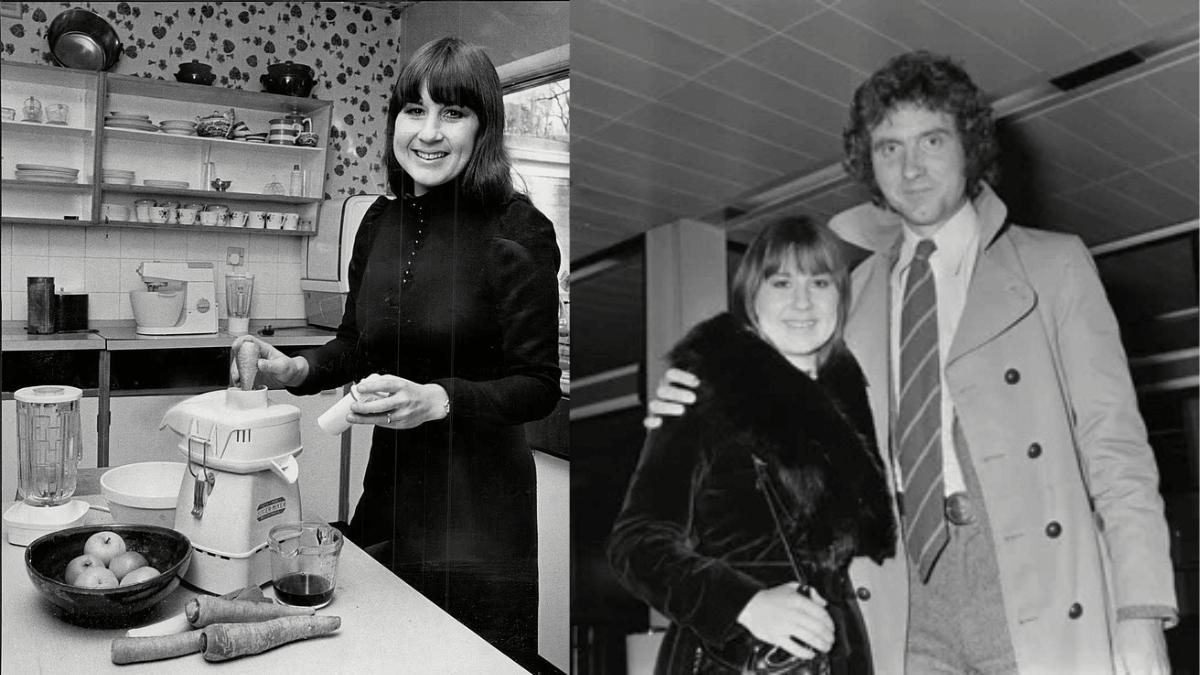
Ronald Edgeworth was a British pianist, composer, arranger, and performer whose career moved across several sides of the music industry. He worked with well-known performers, played in major musical groups, appeared on television, and developed a long creative partnership with Australian singer Judith Durham. Although he is often remembered today because of his marriage to Durham, his own musical career was much broader.
Ronald Edgeworth and His Early Musical Career
Ronald Edgeworth developed his musical skills in Britain during a period when popular music, jazz, blues, and stage entertainment were rapidly changing. His ability to move comfortably between different musical styles became one of the most noticeable features of his career.
According to Judith Durham’s official biography, Edgeworth began playing boogie, blues, and 1920s jazz during his formative years in London. He later became known for his versatility, performing everything from traditional and modern jazz to popular music and classical material.
His career was not limited to playing piano in one particular setting. He worked as a solo performer, played in small groups, accompanied nightclub performers, performed with society bands, and worked as a musical director.
He also spent time working in Europe and North Africa, including performances with military and swing bands. His experience across these different environments helped him build the adaptability that later became important throughout his professional career.
| Quick Bio | Details |
|---|---|
| Full Name | Ronald Lewis Edgeworth |
| Known As | Ron Edgeworth |
| Born | January 29, 1938 |
| Birthplace | England, UK |
| Profession | Pianist, Composer, Arranger, Performer |
| Wife | Judith Durham |
| Married | November 21, 1969 |
| Died | December 10, 1994 |
| Age at Death | 56 |
| Sibling | Patrick Edgeworth |
| Best Known For | Piano, composition, performances with Judith Durham |
Ronald Edgeworth and the John Barry Seven
One important stage of Ronald Edgeworth‘s career came through his association with the John Barry Seven. The group was connected with composer and conductor John Barry, who later became famous for his film scores.
Edgeworth became a touring member of the group and worked as a keyboard player and vocalist. His involvement placed him within Britain’s busy popular music scene during the late 1950s and early 1960s.
The official Judith Durham biography also notes that Edgeworth later formed a rock group with musicians from the John Barry Seven. The group released a single in Britain that was produced by Joe Meek, the producer associated with the famous recording “Telstar.”
This period demonstrates that Edgeworth was not simply a supporting pianist. He was interested in different musical forms and continued experimenting with groups, performance styles, and arrangements throughout his career.
His Work With Alexis Korner
Another significant part of Ronald Edgeworth’s musical journey involved blues musician Alexis Korner. Edgeworth joined Korner’s group and performed alongside musicians who were influential in the development of British blues and rock.
He played piano and Hammond organ on recordings connected with Alexis Korner’s All Stars. His work with the group gave him another opportunity to combine his keyboard skills with blues and modern popular music.
This experience was important because the British blues scene was becoming increasingly influential during this period. Musicians connected with Korner’s work would go on to influence several major rock performers and groups.
Edgeworth’s ability to work comfortably within that environment again reflected the range of his musical interests and professional experience.
Ronald Edgeworth and the Trebletones
Edgeworth also became a member of the Trebletones, a vocal-instrumental stage and nightclub act. The group performed internationally, including work in Spain and Poland.
According to Judith Durham’s official website, the Trebletones became one of the first Western pop groups to perform behind the Iron Curtain in Poland. This was an unusual opportunity at a time when cultural exchanges between Western and Eastern Europe were much more restricted.
His work with the Trebletones also played an important role in his personal life. During the final Seekers tour in 1968, he met Judith Durham, who had decided to leave the group and begin a solo career.
Their professional relationship soon developed into one of the most important partnerships of Edgeworth’s life.
Ronald Edgeworth and Judith Durham
Judith Durham asked Edgeworth to become her musical director, pianist, and arranger after she left The Seekers. At that time, he was already an experienced London-based freelance musician with extensive performance experience.
Their professional partnership quickly became personal. Ronald Edgeworth and Judith Durham married in Melbourne on November 21, 1969. They remained together until his death in 1994.
The couple spent decades performing and creating music together. Edgeworth supported Durham during her solo career, while the two also developed their own musical projects.
Their partnership combined Durham’s distinctive voice with Edgeworth’s piano playing and arranging abilities. Together, they performed across Britain, Australia, Europe, and the United States.
Ronald Edgeworth’s Work With Judith Durham
During the years they worked together, Edgeworth and Durham explored several styles rather than remaining connected to only one musical genre. Their performances included jazz, popular music, and other forms of traditional entertainment.
The pair eventually developed the Hot Jazz Duo, with Durham providing vocals and Edgeworth playing piano. One of the highlights of this partnership was their appearance at the Newport Jazz Festival in 1978.
Their Newport performance later became part of the live album The Hot Jazz Duo. The recording combined performances from Newport with material recorded in Australia and was released in 1979.
The project remains one of the clearest examples of Edgeworth’s musical identity. It showed his ability to accompany a major vocalist while also allowing his own piano work to become an important part of the performance.
Ronald Edgeworth as a Composer
Although Ronald Edgeworth was primarily known as a pianist and performer, composition was another important part of his career. He wrote original music across different styles and also worked with Durham on various musical projects.
One notable credit came from the 1977 film Raw Deal. Edgeworth arranged and recorded theme music for the film’s soundtrack, and the work was later nominated for a Sammy Award in 1978, according to Durham’s official biography. He also appeared in the film as a piano player.
His composing work added another dimension to a career that had already included live performance, arranging, television, recording, and musical direction.
Ronald Edgeworth on Television and Film
Edgeworth’s career also extended beyond concert stages and recording studios. He appeared in television productions and worked on projects involving Judith Durham.
IMDb lists him as an actor and composer, with credits including Cash and Company and Raw Deal. In Cash and Company, he appeared as Charlie Owen under the name Ron Edgeworth.
His appearance in Cash and Company was particularly connected to his partnership with Durham. The episode “Golden Girl” was written specifically to feature the pair, with Durham appearing as Sarah Simmons and Edgeworth playing her pianist character.
The Later Years of Ronald Edgeworth’s Life
During the 1980s, Edgeworth and Durham continued their musical work while living in Queensland. Their partnership remained both personal and professional, with music continuing to occupy a central place in their lives.
Edgeworth’s career had by then covered an impressive range of experiences. He had performed with popular groups, worked with blues musicians, toured internationally, accompanied major entertainers, composed music, and appeared on screen.
His career also showed how a skilled musician could move between different parts of the entertainment industry without being limited to one role.
How Did Ronald Edgeworth Die?
Ronald Edgeworth died on December 10, 1994, at the age of 56. His death was caused by motor neurone disease, according to biographies published by IMDb and Judith Durham’s official website.
His death marked the end of a 25-year marriage and musical partnership with Judith Durham. Durham later became a patron of the Motor Neurone Disease Association of Australia following his death.
Ronald Edgeworth’s Lasting Legacy
Ronald Edgeworth’s legacy is closely connected with Judith Durham, but his career deserves recognition on its own. He was an adaptable musician who worked across jazz, blues, pop, stage entertainment, television, and film.
His performances with Durham remain especially important because they demonstrate the creative connection between two highly experienced musicians. Their work together continued for decades and took them to audiences in several countries.
Today, Ronald Edgeworth is remembered not simply as Judith Durham’s husband but as a versatile pianist, composer, arranger, and performer. His recordings and collaborations continue to provide a window into the wide-ranging musical career of a talented British musician.
FAQs About Ronald Edgeworth
Who was Ronald Edgeworth?
Ronald Edgeworth was a British pianist, composer, arranger, and performer. He worked in popular music, jazz, blues, television, and film and became widely known for his musical partnership with Judith Durham.
When was Ronald Edgeworth born?
Ronald Edgeworth was born on January 29, 1938, in England, United Kingdom. His birth name was Ronald Lewis Edgeworth, and he was also known professionally as Ron Edgeworth.
Who was Ronald Edgeworth’s wife?
Ronald Edgeworth was married to Australian singer Judith Durham. They married in Melbourne on November 21, 1969, and remained together until his death in 1994.
Was Ronald Edgeworth a member of the John Barry Seven?
Yes. Ronald Edgeworth was a touring member of the John Barry Seven and worked as a keyboard player and vocalist during his career.
What was Ronald Edgeworth known for?
He was particularly known for his piano playing, composition, arranging, international performances, work with Judith Durham, and involvement with groups including the John Barry Seven and Trebletones.
When did Ronald Edgeworth die?
Ronald Edgeworth died on December 10, 1994, at the age of 56. He died from motor neurone disease.
Did Ronald Edgeworth have children?
Judith Durham’s official FAQ states that Ronald Edgeworth and Judith Durham did not have children.
What happened to Ronald Edgeworth’s music career after his marriage?
Marriage did not end Edgeworth’s professional career. Instead, his musical partnership with Durham became an important part of his later work, including international concerts, jazz performances, recordings, and television appearances.

1 Comment
Pingback: Shawna Lopaz: Biography, Family, and Life Away From the Spotlight - Paperomagazine