


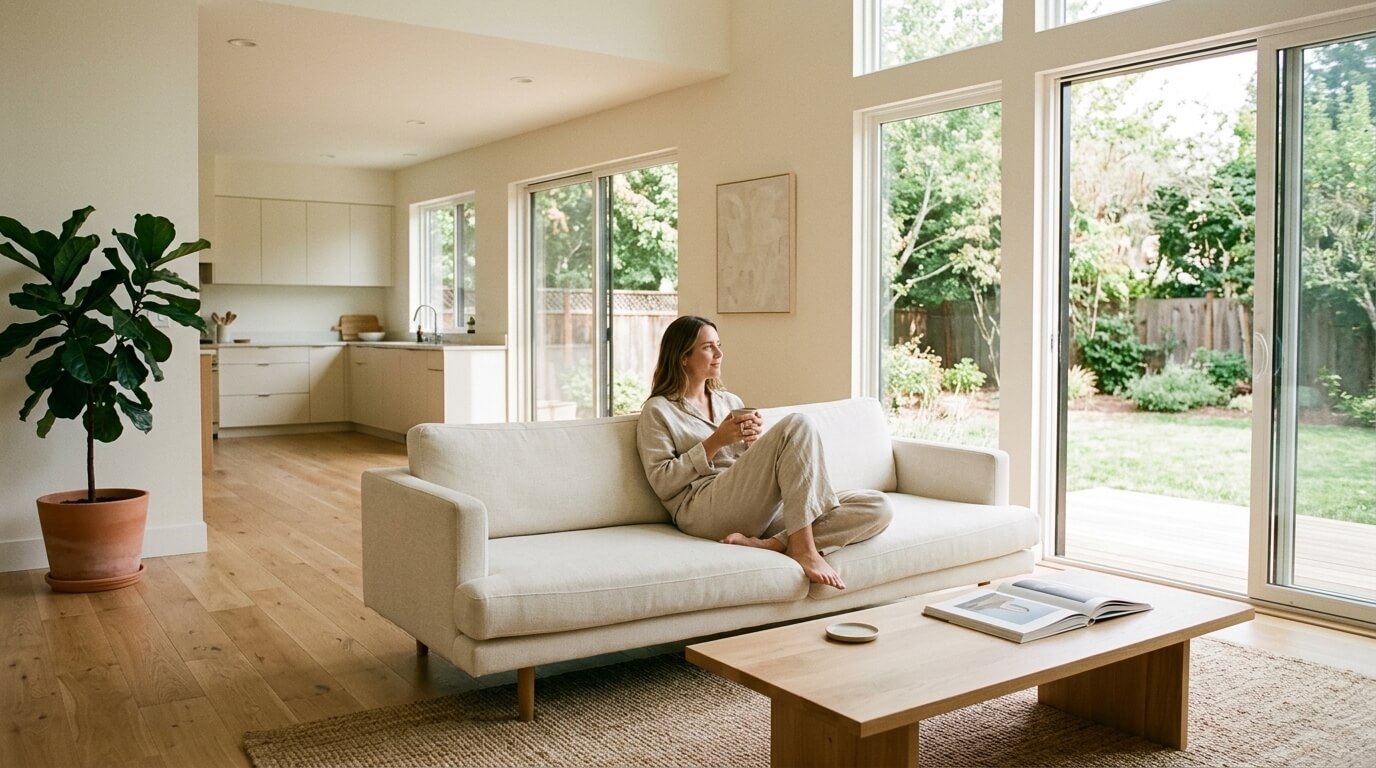
Minimalist homes have become popular among people who want comfortable, peaceful, and practical living spaces. Instead of filling every corner with furniture and decorations, this style focuses on keeping only useful and meaningful items. Clean rooms, natural light, simple colors, and open spaces create a welcoming atmosphere.
Many people prefer minimalist homes because they offer more than an attractive appearance. They can make everyday tasks easier, reduce unnecessary spending, and help people feel more organized. For families, working professionals, and individuals living in small apartments, minimalism provides a practical way to enjoy a comfortable home without owning too many things.
Why People Prefer Minimalist Homes for a Peaceful Environment
One important reason people prefer minimalist homes is the peaceful atmosphere they can create. Rooms with fewer unnecessary objects often feel more open and organized. When surfaces are clear and furniture is arranged carefully, the space becomes easier to enjoy without constant visual distractions.
A peaceful home can make a difference after a busy day at work or school. Instead of entering a room filled with scattered belongings, people can relax in an environment that feels clean and comfortable. Although a simple interior cannot remove every source of stress, it may help create a more relaxing daily routine.
| Quick Overview | Details |
|---|---|
| Home Style | Minimalist interior design |
| Main Features | Simple furniture, open spaces, neutral colors |
| Popular Benefits | Less clutter, easier cleaning, peaceful surroundings |
| Suitable For | Families, individuals, and small apartments |
| Main Goal | Comfortable living with fewer unnecessary items |
Less Visual Clutter
Too many decorations, accessories, and household objects can make a room feel crowded. Minimalist design reduces these distractions by giving important items enough space. A comfortable sofa, a small table, and a few carefully selected decorations can make a living room attractive without overwhelming it.
This approach also helps people appreciate the items they already own. Rather than constantly looking for new decorations, homeowners can focus on arranging their existing belongings in a thoughtful way.
Minimalist Homes Are Easier to Clean and Maintain
Cleaning becomes simpler when a home contains fewer objects. There are fewer decorations to move, fewer surfaces covered with belongings, and fewer items collecting dust. This can make regular household chores less time-consuming and easier to manage.
People with busy schedules often appreciate this advantage. Instead of spending hours organizing shelves or moving objects before vacuuming, they can maintain a tidy home with smaller, regular cleaning sessions. The result is a living space that remains comfortable without demanding too much attention.
Better Organization in Everyday Life
Minimalist homes encourage people to give every important item a proper place. Keys can stay in one designated spot, clothes can be stored neatly, and kitchen supplies can be arranged according to their purpose. These small habits make daily activities more convenient.
Good organization can also reduce the time spent searching for misplaced belongings. When people own fewer unnecessary items and return things to their proper places, their homes become easier to manage.
Lower Spending and Fewer Unnecessary Purchases
Another reason why people prefer minimalist homes is the opportunity to spend money more carefully. Minimalism encourages thoughtful purchasing instead of buying furniture, decorations, and accessories simply because they look attractive or are available at a discount.
Over time, this habit can help households avoid unnecessary expenses. People may choose durable furniture, versatile storage solutions, and practical household products rather than replacing inexpensive items frequently. However, the savings depend on individual choices because quality minimalist furniture can sometimes be expensive.
Buying Things That Add Real Value
A minimalist lifestyle encourages people to ask whether an item is genuinely useful before purchasing it. For example, a family might choose one comfortable dining table instead of buying several small tables that serve similar purposes.
This mindset can also reduce impulse shopping. When people understand their actual needs, they may feel less pressure to follow every interior design trend. Their homes become more personal, functional, and easier to maintain.
Better Use of Small Living Spaces
Minimalist interior design is particularly useful for people living in apartments, studio flats, or smaller houses. Large furniture and excessive decorations can make limited rooms feel even smaller. Choosing suitable furniture and leaving open areas can improve the appearance and usability of these spaces.
For example, a bed with built-in storage can keep extra bedding out of sight. A folding dining table can provide additional space when it is not needed. Wall-mounted shelves can store everyday items without taking up valuable floor space.
Creating an Open and Comfortable Layout
An open layout allows people to move around their homes more easily. Keeping pathways clear and avoiding oversized furniture can make even a modest room feel more comfortable. Natural light, mirrors, and light-colored walls can further improve the sense of openness.
Minimalism does not require homeowners to remove everything from a room. The goal is to choose items that fit the available space and serve a clear purpose. This makes the home practical without sacrificing comfort or personality.
Minimalist Design Supports Better Focus
A well-organized home can provide a more suitable environment for reading, studying, working, or completing household tasks. When desks and surrounding areas contain fewer distractions, it may become easier to concentrate on one activity at a time.
This benefit is especially relevant for people who work from home or study in shared living spaces. A simple desk with comfortable seating, useful lighting, and essential supplies can create a dedicated work area without requiring an entire separate room.
A More Comfortable Work-from-Home Setup
People do not need expensive equipment to create a functional workspace. A sturdy desk, an ergonomic chair, and a few carefully arranged accessories may be enough for many tasks. Keeping cables, papers, and unused equipment organized can also improve the working environment.
However, minimalism affects everyone differently. Some people concentrate better in simple surroundings, while others prefer colorful spaces filled with books, artwork, and personal collections. The most useful design is one that supports individual needs.
Natural Light and Simple Design Make Homes Feel Inviting
Many minimalist homes use natural light, neutral colors, and uncomplicated furniture to create a warm atmosphere. White, beige, gray, and soft earth tones can make rooms feel coordinated without requiring many decorative elements.
Large windows, lightweight curtains, and carefully placed lamps can help brighten a living space. Wooden furniture, soft rugs, cushions, and indoor plants can introduce texture and warmth, preventing a simple room from feeling empty or cold.
Personal Style Without Too Many Decorations
Minimalist homes can still reflect the personalities of the people who live in them. A favorite painting, a family photograph, or a meaningful handmade object can become an important feature when surrounded by enough space.
The key is choosing decorations intentionally rather than displaying everything at once. This allows meaningful belongings to stand out and gives the home a distinctive appearance without creating unnecessary clutter.
Minimalist Homes Can Encourage More Sustainable Habits
Some people prefer minimalist homes because the lifestyle can support more responsible consumption. Buying fewer unnecessary products may reduce packaging waste and limit the number of items that eventually need to be discarded. Choosing durable furniture can also help reduce frequent replacements.
Minimalism may encourage homeowners to repair useful belongings, donate unwanted items, and reuse existing materials. These habits can benefit the household budget while reducing avoidable waste.
Choosing Quality Over Quantity
Rather than filling a home with disposable decorations and inexpensive furniture, homeowners may prefer a smaller number of well-made products. Items that last longer can provide better value when they are suitable for the household’s needs.
Still, minimalist design is not automatically sustainable. Manufacturing, transporting, and replacing furniture all have environmental costs. Keeping useful possessions for longer and making thoughtful purchasing decisions are more meaningful than simply buying products marketed as minimalist.
How to Create a Minimalist Home Without Spending Too Much
Creating a minimalist home does not require a complete renovation or expensive new furniture. The easiest approach is to begin with one room and gradually remove items that are broken, unused, or no longer needed.
Start by clearing a table, organizing a cupboard, or simplifying a bedroom. Donate useful belongings that are no longer required, recycle suitable materials, and keep essential items within easy reach. Small changes can gradually improve the comfort and appearance of a home.
It is also important to avoid throwing away useful possessions simply to achieve a particular look. Minimalism should make life easier, not create pressure to maintain an empty or perfect-looking house.
Choose colors, furniture, and decorations that suit your daily routine. A successful minimalist home should feel welcoming, practical, and personal rather than unfinished or uncomfortable.
Final Thoughts
People prefer minimalist homes for many reasons, including easier cleaning, better organization, comfortable surroundings, and more thoughtful spending. A simple home can provide room to relax, work, and enjoy everyday activities without being surrounded by unnecessary possessions.
The best approach to minimalism is to focus on personal needs rather than strict design rules. By keeping useful belongings, choosing practical furniture, and creating a comfortable layout, anyone can build a home that feels organized, welcoming, and easy to maintain.
Frequently Asked Questions
Why do people prefer minimalist homes?
People often prefer minimalist homes because they can feel more peaceful, organized, and spacious. This style can also make cleaning easier, reduce unnecessary spending, and support a simpler daily routine.
Are minimalist homes better for mental well-being?
A tidy, comfortable environment may help some people feel calmer and less distracted. However, the effect varies from person to person, and minimalist design is not a replacement for professional mental health support when needed.
Are minimalist homes cheaper to maintain?
They can be cheaper to maintain because fewer belongings may mean less cleaning, fewer decorative purchases, and less unnecessary replacement. Actual costs depend on the materials, furniture, and maintenance needs of the property.
Can a small house look minimalist?
Yes. Small homes can benefit from multifunctional furniture, clear pathways, organized storage, and limited decorations. These choices help make the available space feel more open and useful.
Does minimalism mean living without decorations?
No. Minimalism focuses on intentional choices rather than removing every decorative object. Homeowners can keep artwork, plants, photographs, and meaningful possessions while avoiding unnecessary clutter.
How can beginners create a minimalist home?
Beginners can start by organizing one room, removing unused belongings, and creating a proper place for everyday items. They can then simplify furniture arrangements and avoid purchasing things that do not meet a genuine need.
Are minimalist homes suitable for families?
Yes. Families can use minimalist principles to organize toys, clothing, kitchen supplies, and shared spaces. The goal is not to keep the home empty but to make it comfortable, functional, and manageable for everyone.
