


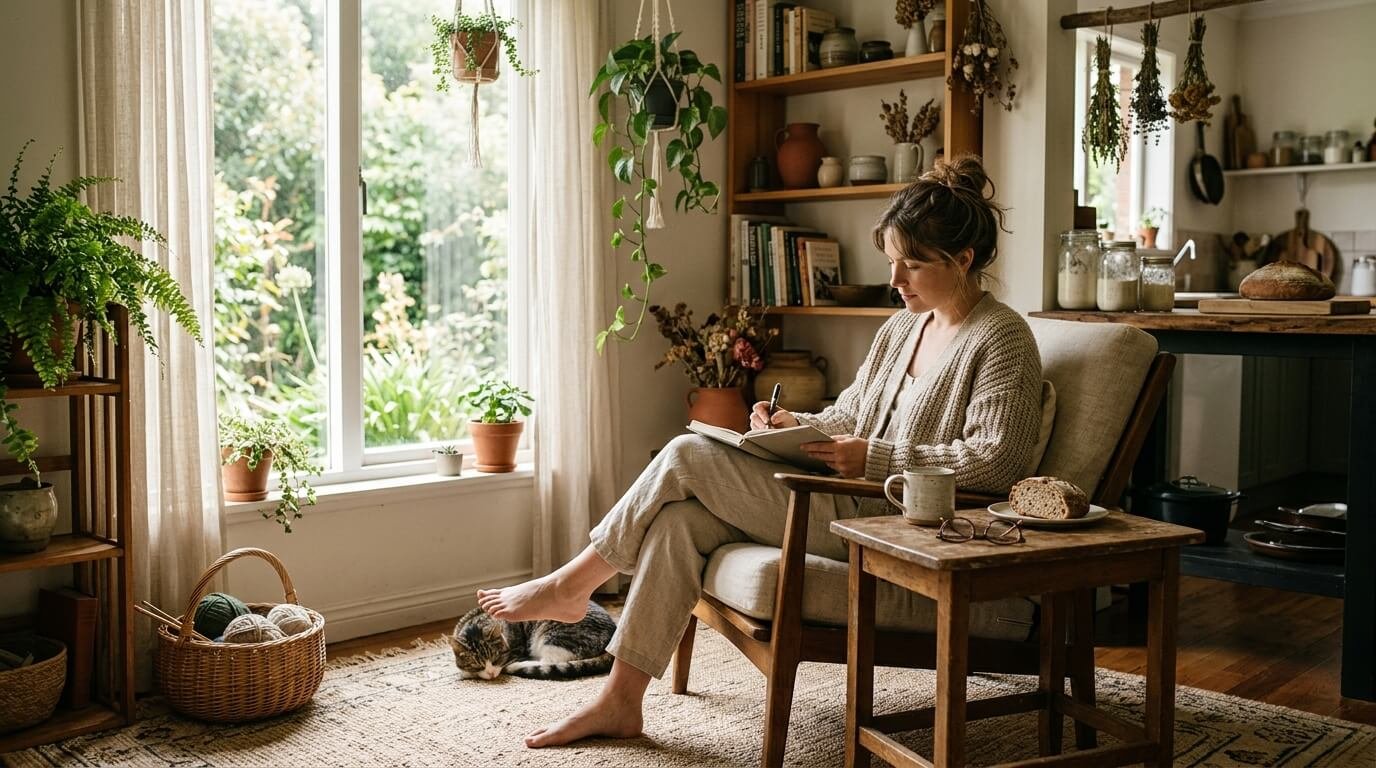
Life can feel like a race when every day is filled with deadlines, notifications, responsibilities, and endless plans. Many people move from one task to another without taking enough time to enjoy what is happening around them. Slow living habits offer a different approach by encouraging people to focus on what matters, appreciate ordinary moments, and create a more balanced daily routine.
Slow living does not mean giving up ambitions or avoiding responsibilities. It means making thoughtful choices about how you spend your time and energy. Small changes, such as eating without distractions, taking a quiet walk, or starting your morning without checking your phone, can help make everyday life feel less rushed and more meaningful.
What Are Slow Living Habits?
Slow living habits are everyday practices that encourage you to live with greater awareness instead of constantly rushing through your responsibilities. They help you pay attention to your needs, make room for rest, and enjoy experiences without always thinking about the next task.
This lifestyle looks different for everyone. One person might spend more time cooking at home, while another might reduce unnecessary commitments or enjoy reading before bed. The goal is not to follow a perfect routine but to create a daily rhythm that feels comfortable and sustainable.
| Detail | Information |
|---|---|
| Topic | Slow living habits |
| Main purpose | A calmer, more intentional lifestyle |
| Key practices | Mindfulness, simple routines, and fewer distractions |
| Suitable for | Students, professionals, parents, and busy individuals |
| Getting started | Introduce one small habit at a time |
12 Slow Living Habits to Make Everyday Life Better
1. Start Your Morning Without Rushing
The way you begin your morning can influence how the rest of your day feels. Waking up with enough time to wash, get dressed, and enjoy a simple breakfast can make the morning feel less stressful than immediately checking messages and thinking about unfinished work.
Try giving yourself the first 10 to 15 minutes of the day without social media. Open a window, drink a glass of water, stretch gently, or sit quietly for a few minutes. This small change creates space to gather your thoughts before dealing with outside demands.
2. Focus on One Task at a Time
Multitasking often makes ordinary responsibilities feel more complicated. Switching between emails, messages, household chores, and other activities can divide your attention and make it harder to finish anything comfortably.
Instead, choose one task and give it your attention for a reasonable period. If you are preparing a meal, focus on cooking. If you are working, close unrelated tabs and silence unnecessary notifications. Moving through tasks individually can make your day feel more organized and less scattered.
3. Spend Less Time on Your Phone
Phones make communication and entertainment easier, but constant screen time can fill nearly every quiet moment. Checking notifications during meals, conversations, or short breaks can prevent you from fully enjoying those experiences.
Create a few simple boundaries around your device. Keep your phone away during meals, turn off nonessential notifications, and avoid scrolling immediately before sleeping. You do not need to abandon technology; you simply need to decide when it deserves your attention.
4. Enjoy Your Meals Without Distractions
Eating slowly is one of the easiest slow living habits to introduce into an ordinary day. Many people eat while watching videos, answering messages, or thinking about work, which can make meals feel like another task to finish quickly.
Try sitting at a table and paying attention to the taste, smell, and texture of your food. Whenever possible, enjoy meals with family or friends without constantly looking at a screen. This simple routine can make eating feel more satisfying and turn an ordinary lunch into a pleasant break.
5. Make Time for Daily Walks
Walking gives you an opportunity to step away from screens, spend time outdoors, and notice your surroundings. You do not need an expensive gym membership or a complicated fitness plan to enjoy its everyday benefits.
Take a short walk through your neighborhood, visit a nearby park, or walk for a few minutes after lunch. Notice the weather, trees, sounds, and changing scenery. Even a brief walk can provide a useful pause between responsibilities, especially when you spend much of the day indoors.
6. Create a Comfortable Evening Routine
Evenings can become unnecessarily busy when you continue working, scrolling, and completing household tasks until bedtime. A simple evening routine helps you move away from the demands of the day and prepare for rest.
You might tidy one small area, prepare clothes for tomorrow, read a few pages of a book, or enjoy a warm drink. Choose activities that help you feel settled rather than adding more pressure. A realistic routine is more useful than a long list of habits that becomes difficult to maintain.
7. Learn to Say No to Unnecessary Commitments
A crowded schedule can leave little room for rest, hobbies, or meaningful relationships. Sometimes, the problem is not the number of hours in a day but the number of commitments competing for your attention.
Before accepting another responsibility, consider whether you have enough time and energy for it. Politely declining an invitation or postponing a nonessential task can protect your personal time. You can remain helpful and responsible without agreeing to everything other people request.
8. Keep Your Living Space Simple
A cluttered environment can make it harder to find belongings and relax comfortably. Slow living encourages you to keep the things you use and appreciate while reducing items that no longer serve a purpose.
Start with one drawer, shelf, or corner rather than attempting to organize your entire home at once. Put frequently used belongings where they are easy to reach and donate or recycle suitable items you no longer need. A simple space does not have to look perfect; it only needs to support your everyday life.
9. Spend More Time in Nature
Nature offers a welcome change from busy streets, indoor workplaces, and digital entertainment. Watching the sky, sitting beneath a tree, or listening to birds can encourage you to pause and pay attention to the present moment.
You do not need to travel to a distant destination to enjoy nature. Spend a few minutes in your garden, care for houseplants, or sit outside with your morning tea. These small experiences can become meaningful parts of your routine without requiring extra money or complicated planning.
10. Choose Quality Over Quantity
Modern life often encourages people to buy more, do more, and fill every available hour. However, having more possessions or activities does not automatically create greater satisfaction.
Try choosing purchases carefully, spending time on relationships that matter, and protecting activities you genuinely enjoy. You might prefer one relaxed evening with a close friend over several crowded social events. Making thoughtful choices can help you use your time, money, and energy in ways that reflect your priorities.
11. Make Space for Hobbies
Hobbies give you something enjoyable to do without requiring every activity to produce a measurable result. Reading, gardening, painting, baking, knitting, or playing an instrument can provide a welcome break from work and daily responsibilities.
Choose something that interests you rather than something that looks impressive to other people. Begin with 15 minutes a few times each week and allow yourself to improve naturally. Your hobby does not need to become a business, generate income, or lead to a particular achievement to be worthwhile.
12. Practice Gratitude for Small Things
Daily responsibilities can make it easy to overlook the pleasant moments that already exist in your life. A comfortable home, a thoughtful message, a good meal, or a peaceful morning may seem ordinary until you deliberately stop to appreciate it.
At the end of each day, think of two or three things that made you feel thankful or content. You can write them in a notebook or simply reflect on them before sleeping. Gratitude will not remove every difficulty, but it can help you notice positive experiences alongside the challenges of everyday life.
How to Start a Slow Living Lifestyle Without Feeling Overwhelmed
You do not need to change your entire schedule to begin enjoying a slower lifestyle. Starting with too many new habits can create another set of responsibilities, which defeats the purpose of making life feel more manageable.
Choose one small practice that fits your current routine. For example, leave your phone aside during breakfast for one week. Once that becomes comfortable, add a short evening walk or a few minutes of reading before bed.
It also helps to understand that slow living does not require you to move slowly all the time. Some days will involve demanding work, family responsibilities, and unexpected problems. The important thing is to create enough flexibility to rest, pay attention to your needs, and avoid treating every moment as a race.
Common Mistakes to Avoid When Practicing Slow Living
One common mistake is comparing your lifestyle with carefully arranged pictures of peaceful homes, expensive holidays, and elaborate morning routines. Slow living does not require a large budget, a beautiful house, or unlimited free time. It can begin in a small apartment, a busy family home, or a demanding work schedule.
Another mistake is turning relaxation into a strict set of rules. If you miss a walk or spend an evening watching television, you have not failed. These habits are meant to support your life, not create another reason to feel guilty.
Finally, avoid assuming that every responsibility can be removed. Work, caregiving, studies, and financial obligations may require significant time and attention. Focus on the changes that are realistic for your circumstances rather than trying to copy someone else’s daily routine.
Final Thoughts
Slow living habits remind us that a meaningful life does not have to be filled with constant activity. Simple choices, such as enjoying a quiet morning, spending time outdoors, protecting personal boundaries, and making room for hobbies, can help create a more balanced daily experience.
Start with one change that feels realistic and give yourself time to adjust. You do not need to transform your life overnight. By paying more attention to how you spend your time and what brings you genuine satisfaction, you can gradually create a lifestyle that feels calmer, more personal, and easier to maintain.
Frequently Asked Questions
What are the best slow living habits for beginners?
Start with simple practices such as eating without distractions, taking short walks, reducing unnecessary phone use, and creating a relaxing bedtime routine. Choose one habit that fits naturally into your day and build from there.
Can slow living help reduce daily stress?
Slow living may help you manage everyday stress by encouraging better boundaries, fewer distractions, and more intentional use of your time. It cannot eliminate every source of stress, but it can help you approach daily responsibilities more thoughtfully.
How can I practice slow living with a busy schedule?
You can practice slow living without making major changes to your schedule. Spend five minutes enjoying your morning drink, take a short walk during a break, or put your phone away while eating. Small, consistent changes can fit into even a demanding routine.
Does slow living mean being less productive?
No. Slow living is about working and living more intentionally, not avoiding responsibilities. Focusing on one task at a time, setting realistic priorities, and taking suitable breaks can help you use your energy more effectively.
Is slow living expensive?
Slow living does not need to cost anything. Walking outdoors, reading books you already own, cooking at home, enjoying quiet time, and reducing unnecessary purchases are all accessible ways to practice it.
How long does it take to develop slow living habits?
The time required depends on the habit and your existing routine. Some changes, such as putting your phone away during meals, can begin immediately. Others may take several weeks of practice before they feel natural. Consistency matters more than speed.
What is the difference between slow living and a minimalist lifestyle?
Slow living focuses on the pace and intention behind everyday life, while minimalism generally emphasizes reducing excess possessions, commitments, or distractions. The two lifestyles can complement each other, but you can practice slow living without owning fewer things.

1 Comment
Pingback: Why Decluttering Feels Satisfying and Reduces Stress - Paperomagazine